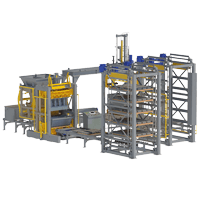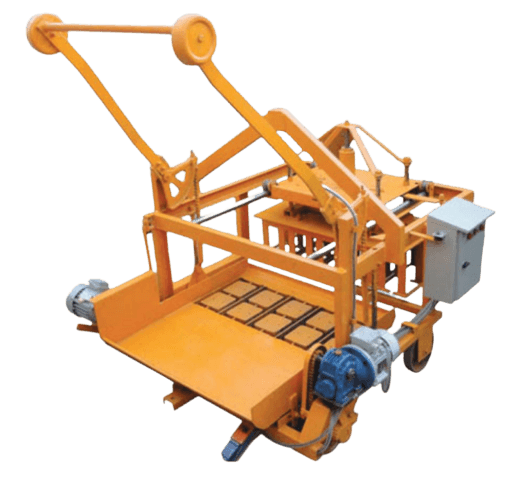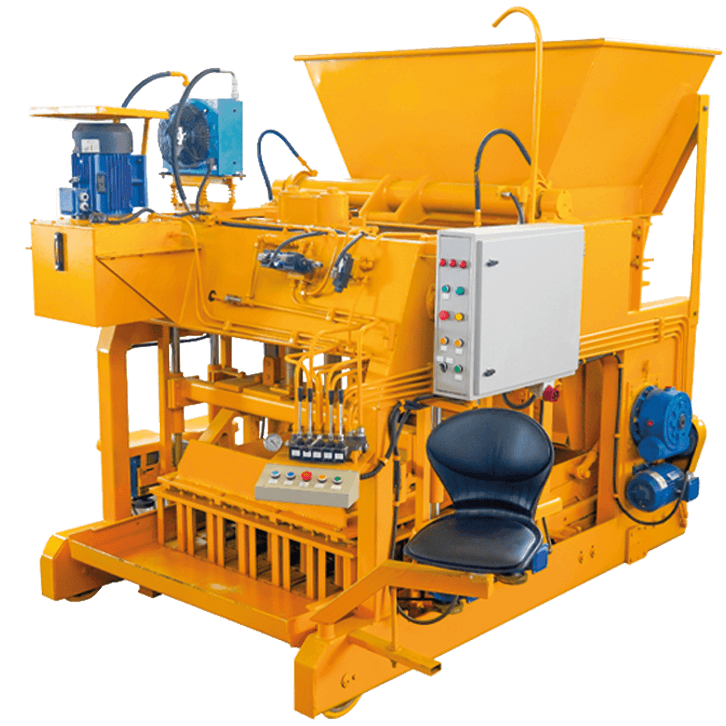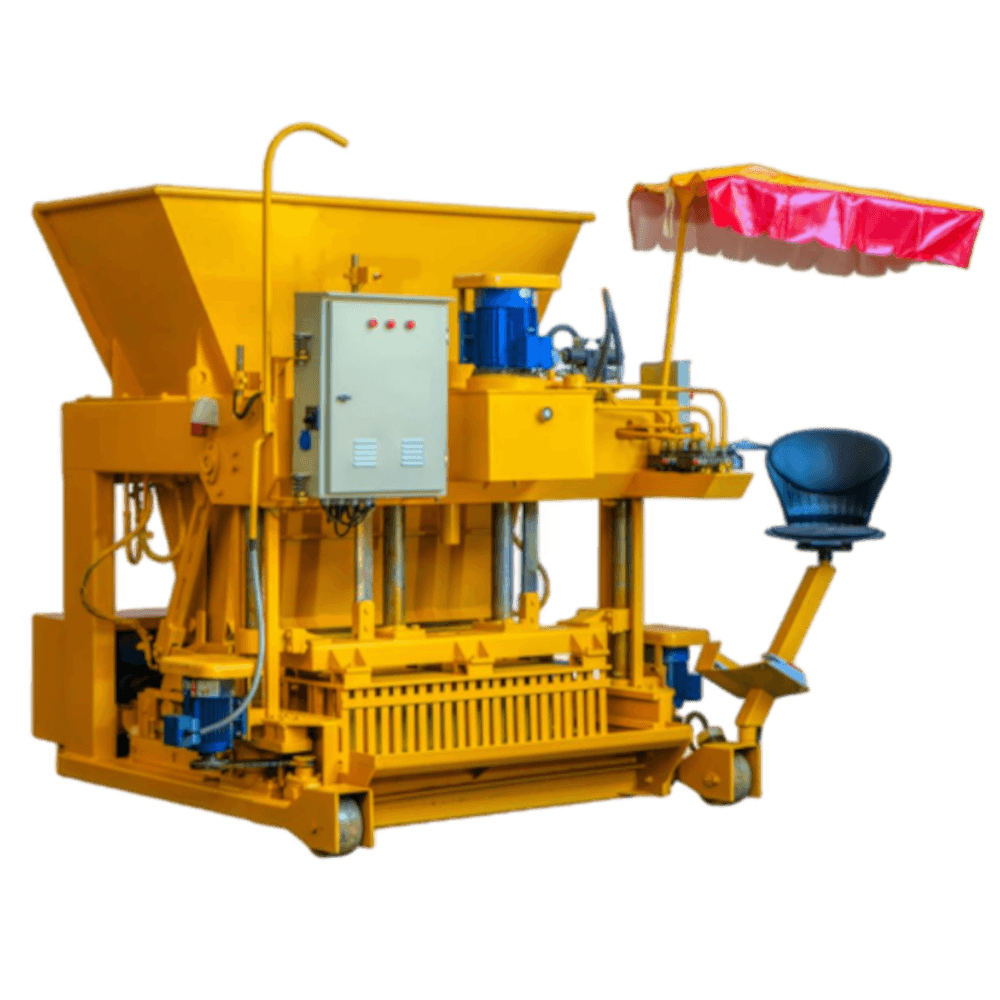
The ceiling block machine is an ideal solution for producing high-quality ceiling blocks at an optimized cost. With a modern design and various molds, it enables fast and cost-effective production. Contact Beton Sarmad to purchase this machine.
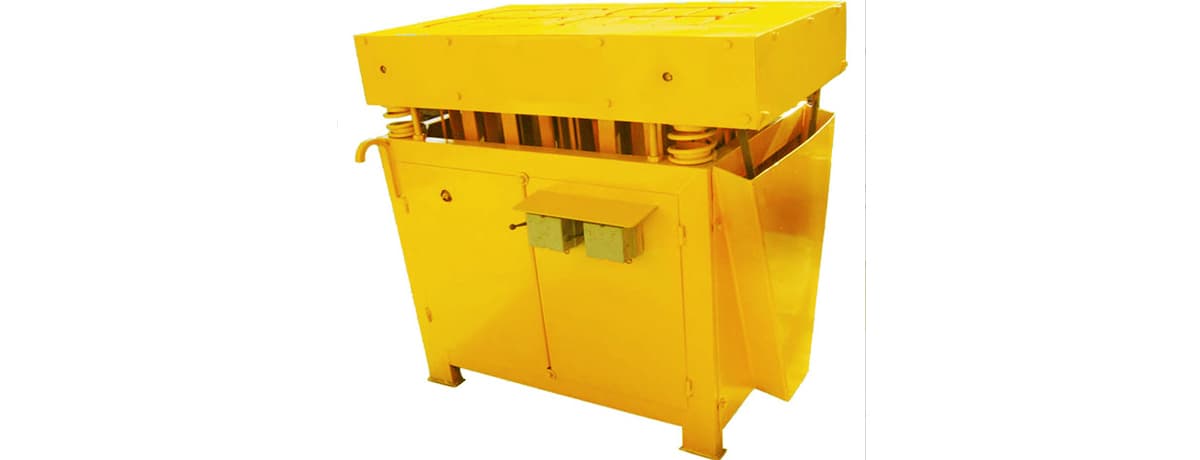
Imagine that for various reasons, you need a high-quality and durable block-making machine, but cost and production time are still concerns. Choosing the right block-making machine can help overcome these challenges. Models such as manual block-making machines, semi-automatic block-making machines, and automatic block-making machines offer different solutions depending on your needs. Some models, such as tabletop ceiling block-making machines, are specifically designed to produce ceiling blocks, helping optimize costs and improve productivity.
What Is a Tabletop Ceiling Block-Making Machine?
One of the widely used models in the construction industry is the tabletop ceiling block-making machine, which is designed to produce ceiling blocks. Its main features include:
Other models, such as the 12-mold automatic block-making machine, can also be selected based on the requirements of different projects.
The price of this machine depends on several factors:
To purchase manual, semi-automatic, and fully automatic block-making machines, you can contact Beton Sarmad consultants. We provide detailed information about available models, prices, and technical specifications.
A ceiling block-making machine is an important piece of equipment in the construction industry, used to produce concrete blocks. These machines are commonly used in large-scale and residential construction projects and allow the production of blocks with the desired dimensions and quality. The first step in operating the machine is to become familiar with its different components. These machines typically include material hoppers, transfer systems, various block molds, and hydraulic systems.
To start operating a ceiling block-making machine, first prepare the raw materials, such as cement, sand, and aggregates. The appropriate ratio of these materials depends on the type of block being produced. After mixing the raw materials in the hopper, the mixture should be transferred to the molds installed on the machine using the transfer system. Proper adjustment of the pressure and material injection time is one of the key factors to consider, as these directly affect the final quality of the blocks.
After filling the molds, wait for the material to take shape and undergo curing. The curing time before demolding should generally be at least several hours. After this stage, the blocks should be removed from the molds and placed in a suitable area for drying and final curing. Operating a ceiling block-making machine requires precision and attention, as any defect during the production process can lead to a reduction in the quality of the blocks.